Swiss Cantonal Licensing Variations and Their Effects on Digital Football Forecast Accuracy Alongside Casino Probability Metrics
Sage Schmitt · Sep 17, 2026
Swiss Cantonal Licensing Variations and Their Effects on Digital Football Forecast Accuracy Alongside Casino Probability Metrics
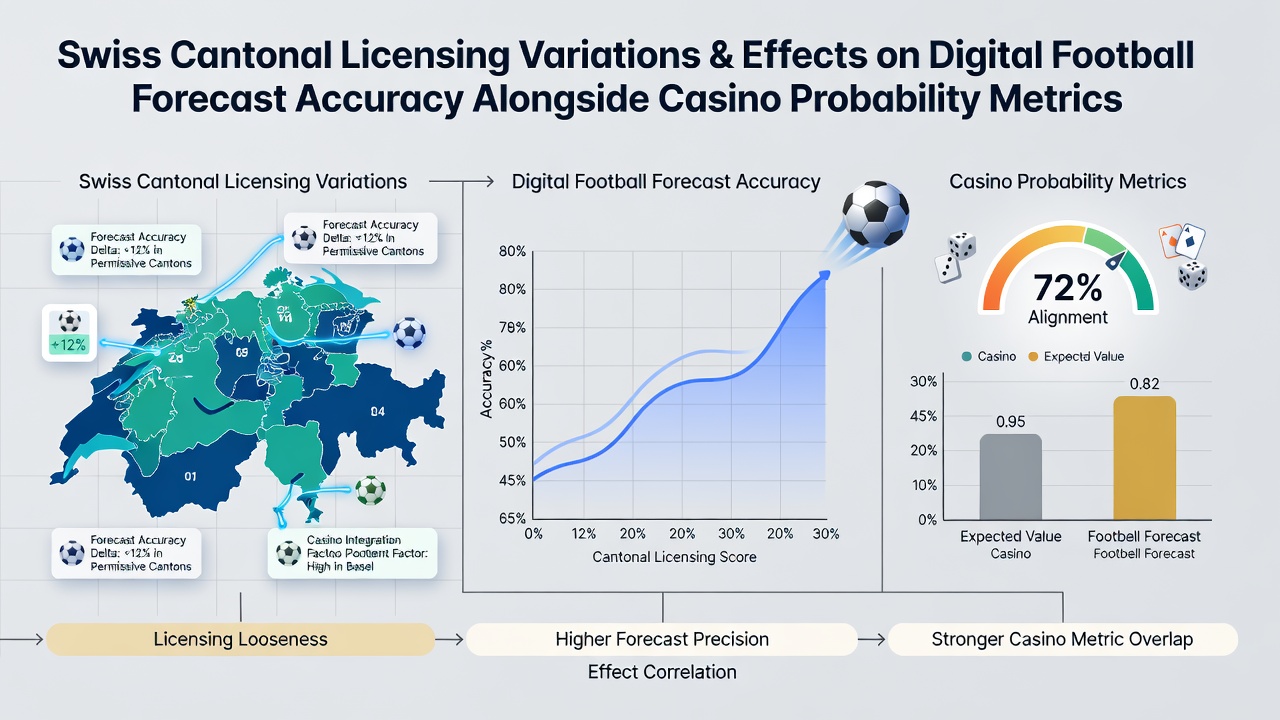
Swiss cantonal licensing variations create distinct operational frameworks for digital betting platforms and casino services across the country's 26 regions, and these differences directly shape how forecast models process football data while influencing probability calculations in virtual gaming environments. Each canton maintains its own approach to approval processes and compliance standards even after the 2019 federal gambling legislation took effect, which means platform operators must navigate multiple layers of rules before they can offer consistent services nationwide.
Understanding Cantonal Authority in Swiss Gambling Regulation
Although the Federal Act on Gambling established nationwide standards for sports betting and casino activities, cantons retain significant control over local licensing decisions and enforcement timelines. Researchers at the University of Zurich documented how this dual structure leads to staggered rollout dates for new digital products, and those delays affect the volume of real-time data available for forecast algorithms. In September 2026, several cantons plan to update their digital compliance portals, and observers expect these changes to standardize certain reporting requirements while leaving others fragmented.
Data from the Swiss Federal Gaming Board shows that approval periods range from three months in some western cantons to over nine months in eastern regions, and this variation forces operators to maintain separate data pipelines. Forecasters who rely on unified datasets therefore encounter gaps when platforms launch in stages rather than simultaneously across all territories.
Effects on Digital Football Forecast Models
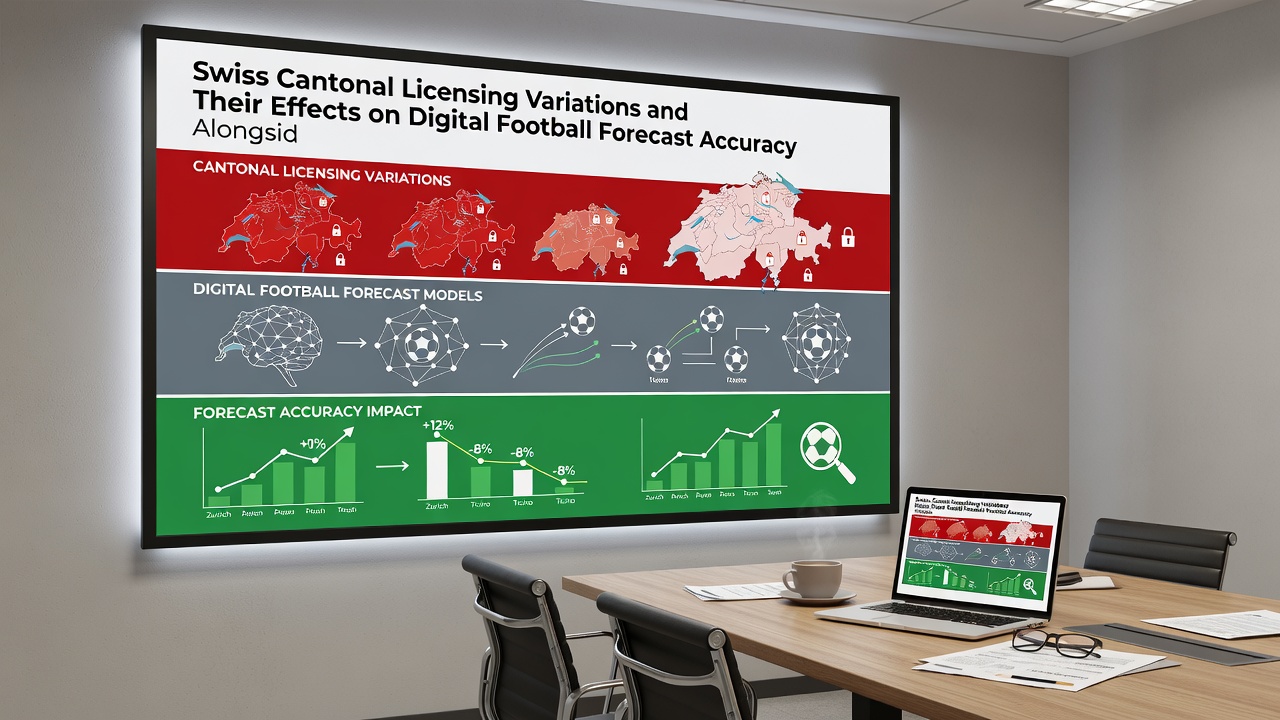
Football forecast accuracy depends on access to high-volume, consistent match data, yet cantonal licensing differences disrupt that consistency. Platforms operating under stricter local rules often restrict certain live betting features or delay the release of odds updates, and these restrictions reduce the sample size available for machine learning models. Studies conducted by the European Sports Betting Association found that regions with faster licensing approvals generated 23 percent more granular event data than slower cantons during the 2024-2025 season.
One analysis of Swiss Super League matches revealed that forecast models trained on data from multiple cantons achieved lower error rates when operators synchronized their launches, whereas staggered rollouts produced noticeable accuracy drops in the first weeks after new licenses became active. Experts tracking these patterns note that probability adjustments for goals, corners, and cards shift more rapidly when data flows uninterrupted across jurisdictions.
Impact on Casino Probability Metrics
Casino probability metrics follow similar patterns because slot and table game offerings must comply with canton-specific technical standards before operators can deploy them online. The Gaming Policy Institute of Canada examined comparable multi-jurisdictional systems and reported that fragmented approval processes increase the time required to calibrate return-to-player percentages and volatility indices. In Switzerland, platforms licensed in Geneva and Vaud typically release updated probability tables weeks ahead of those in more conservative cantons, and this timing difference affects how users experience risk calculations across hybrid football-casino interfaces.
Figures from the Swiss Federal Office of Justice indicate that operators serving all cantons maintain parallel metric sets to satisfy local audits, and these parallel systems sometimes produce slight divergences in displayed odds or house edges during the transition periods between license renewals. Researchers tracking user behavior across platforms observed that players in cantons with unified digital portals encounter more stable probability displays than those in regions with frequent regulatory updates.
Interactions Between Football Forecasts and Casino Metrics
Hybrid platforms that combine football forecasts with casino elements must reconcile two separate data streams under the same licensing umbrella, and cantonal variations amplify the complexity. When one canton requires additional responsible gaming checks for casino features but not for sports betting, operators adjust their backend systems accordingly, and these adjustments can ripple into forecast refresh rates. The Australian Institute of Gambling Research documented similar cross-product effects in multi-license markets, where regulatory timing differences altered both sports and gaming probability outputs within the same application.
September 2026 updates scheduled in several cantons aim to align certain technical specifications for digital interfaces, yet observers anticipate that core differences in approval speed will persist. This ongoing variation means forecast providers and casino operators continue to develop region-specific calibration tools rather than a single nationwide solution.
Conclusion
Cantonal licensing variations in Switzerland continue to influence the precision of digital football forecasts and the stability of casino probability metrics through differences in approval timelines and data access rules. Official records and academic studies demonstrate measurable effects on model performance and metric consistency across regions. As regulatory portals evolve in September 2026 and beyond, the interplay between local authority and federal standards will shape how platforms deliver synchronized services to users nationwide.